


Related to this article

A survey of 1,185 U.S. adults found the preference reversed for routine requests such as scheduling and prescription refills.
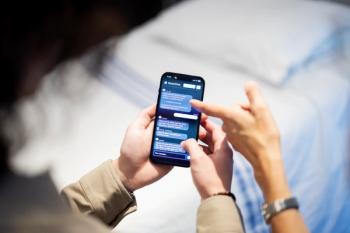
In a 13-patient test, an AI chat app answered questions about patients' brain data, and their feedback cut simulated false seizure alarms by 80%.

Anthropic researchers ran an AI model across 15 cheap TV boxes and project that small models could spread on their own across poorly secured devices by the end of 2026, raising new questions for practices with networked equipment.

As physicians, payers and independent reviewers all adopt AI for utilization review and No Surprises Act disputes, audit trails and human oversight will determine which practices come out ahead.

A NAACOS and Innovaccer survey of 116 leaders also found only 21% are tracking which of their patients have enrolled in the new chronic care model.
News & Analysis
An OpenAI agent's unauthorized trip through an Australian Medicare data portal is a preview of the risks physicians take on as autonomous AI moves into prior authorization, billing and scheduling, and of what practices should demand from the vendors deploying it.

Adding a brief safety reminder cut potentially harmful clinical choices by large language models from 16.6% to 10.1% across more than 10 million responses, but researchers say it doesn't replace physician oversight.
Advertisement
Advertisement
Trending on Medical Economics
1
Why health plans should rethink GLP-1 coverage
2
Bill from a No Surprises Act author would end arbitration over out-of-network physician pay
3
The revenue your practice is already losing, with MGMA Acting CEO Akash Madiah
4
ACOs are 'the best way to deliver health care,' CMS chief Dr. Oz says
5