




Chronic Condition Management
Latest News


Why patients skip ordered blood tests — and how practices can close the gap
By Web Golinkin
Advertisement
Latest Videos







Shorts

1:04
The biggest heart health gain is going from nothing to something
4 days ago
by
Francisco Lopez-Jimenez, M.D., M.S., MBA
0:40
The mixed messages patients get after a diagnosis
a month ago
by
Dean Erhardt

0:52
Why price checks after the visit lead to unfilled prescriptions
a month ago
by
Joseph Kleiman
0:36
Dementia is not a dead end. Here's what you can do.
2 months ago
by
Anna Chodos, M.D.
0:36
Primary care is the frontline for dementia
2 months ago
by
Anna Chodos, M.D.
0:37
The hardest part of a dementia diagnosis
3 months ago
by
Anna Chodos, M.D.

1:11
Why I chose to tackle this massive medical problem
3 months ago
by
Ned Swanson, M.D.
1:00
Is this a warning sign of dementia?
3 months ago
by
Anna Chodos, M.D.
1:09
What is it like for a physician to work in biotech?
3 months ago
by
Ned Swanson, M.D.
1:04
The 'copycat' problem in medical skin substitutes
3 months ago
by
Ned Swanson, M.D.
Podcasts








Advertisement
More News

If Medicare cuts surgeon pay, it does not follow that Medicare should also cut reimbursement for primary care.

Prescription abandonment climbs sharply as out-of-pocket costs rise, and prior authorization delays push more patients away. Showing cost and coverage at the point of prescribing could change whether patients ever start therapy.

Prior authorization, step therapy and shifting coverage rules keep patients from obesity drugs with proven benefits, an endocrinologist argues — and the long-term savings make the case for broader access.

What happens to kidney care when Medicare’s CKCC model sunsets and LEAD begins?

In 590,282 California heart attack hospitalizations, a new PCI-capable facility within a 30-minute drive lowered 30-day mortality 20% in communities without prior access but did not change survival where the procedure was already available.

A NAACOS and Innovaccer survey of 116 leaders also found only 21% are tracking which of their patients have enrolled in the new chronic care model.

An Oregon Health & Science University-led analysis of nearly 200,000 people found a 20% to 30% higher rate of fatty liver disease and cirrhosis among those who reported eating after dinner or after bedtime.

CMS' proposed cuts to physician fees focus on the operating room. For the primary care physicians managing recovery after surgery, the real gap is much larger.
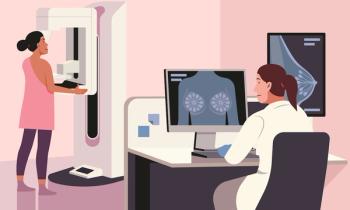
A Hologic survey of 1,000 U.S. women aged 35 to 75 found that a direct recommendation from a physician was the top motivator for overdue patients, while knowledge gaps about cost, radiation and breast density persist.

Cash payments for GLP-1s are on the rise, according to pharmacists surveyed by Buzz Health.

Patients who received weekly plant-based grocery packages from a primary care clinic's food pantry for an average of 2.7 years saw dose-dependent drops in diastolic blood pressure, weight and BMI, but no significant change in hemoglobin A1c, a Mass General Brigham study found.
A multinational survey of more than 1,900 patients with type 2 diabetes or obesity, presented at the EADV Congress 2026, found nail and scalp changes that weight loss alone did not appear to explain.

Nearly 54 percent lower costs for adults with chronic disease. Four experts on why primary care still gets under 5% of health care spending.

A Monash University study published in Nature Communications finds that an antibiotic resistance gene lets Clostridioides difficile keep forming spores tough enough to withstand hospital-grade cleaning products and high laundry temperatures.

Behavioral health has historically taken a back seat to physical health in primary care. That approach is shifting, as growing evidence underscores the importance of whole-person well-being in improving patient outcomes, strengthening care coordination and advancing value-based care.

Two observational studies presented at the European Association for the Study of Diabetes annual meeting tie a red meat–derived sugar called Neu5Gc to a 63% higher type 2 diabetes risk. They also link low ultra-processed food intake and guideline-level exercise to lower risk, even in people at high genetic risk.

Panelists at the Sept. 17 briefing said billing codes for two-way shipping and payment for patient navigators are still missing, with most insurers required to cover self-collected HPV tests starting Jan. 1, 2027.

What do providers owe patients when a GLP-1 is out of reach? At the very least, they should stay informed.

A randomized trial found a FORTA-based, pharmacist-led medication review sharply reduced inappropriate prescribing, overuse and underuse among older cancer patients with polypharmacy.

How primary care can bring cancer-screening logic to cognitive health on World Alzheimer’s Day (and every day).

RFK Jr. appoints members to fill a panel that has not met in more than a year, but is influential on primary care.
A study published in Advanced Science used three AI models to screen thousands of approved drugs, identifying nine that inhibit Streptococcus pneumoniae, a bacterium increasingly resistant to antibiotics.

Top HHS leaders introduce ACCESS model with discussions of patient health, costs and technology.

Rigid adherence thresholds in CMS's updated coverage decision leave doctors and suppliers guessing — and vulnerable patients at risk of losing a life-extending therapy

Advertisement
Advertisement
Trending on Medical Economics
1
Goodbye G2211, hello B1 and B2: what the 2027 Medicare Physician Fee Schedule means for primary care
2
2027 Medicare Physician Fee Schedule: Who is cheering, who is worried
3
Tennessee practice to pay $2.8M over nonphysician billing; flu season gets a head start; cannabis tied to higher stroke odds — Morning Medical Update
4
Physician advocates urge Congress to counter cuts in final 2027 Medicare Physician Fee Schedule
5