




Practice Technology
Latest News

Advertisement
Latest Videos
Shorts

0:56
Why good employees keep leaving
6 months ago
by
Trent Cotton

0:50
Is AI ready for health care?
6 months ago
by
Asha Palmer, J.D., CCEP, LPEC
0:41
AI risks in health care may be narrower than you think
6 months ago
by
Asha Palmer, J.D., CCEP, LPEC

0:29
Stop googling software reviews for your practice!
6 months ago
by
Roshan Patel
0:41
The hidden risks of shadow AI
6 months ago
by
Asha Palmer, J.D., CCEP, LPEC
0:48
What the future health care job market looks like
6 months ago
by
Trent Cotton

1:13
AI scribes are just the beginning
6 months ago
by
Robert M. Wachter, M.D.
0:43
The perfect use for AI
6 months ago
by
Robert M. Wachter, M.D.
1:22
Health care tried AI in the '80s — here's why it failed
6 months ago
by
Robert M. Wachter, M.D.

0:38
Telehealth risks: Don't forget this!
6 months ago
by
Shannon Sumner, CPA, CHC

Advertisement
More News

When health care providers can’t keep up with the cost of modernizing their equipment, patients lose access to the latest, most effective tools for care.

More immigrant adults are skipping medical visits and worrying about physicians sharing their information with federal authorities, KFF-New York Times survey shows.

The top news stories in medicine today.

From solo startups to multisite enterprises, clinical-first technology and AI tools are helping primary care practices scale smarter, cut administrative burden and stay patient-focused.

Health care organizations are increasingly targeted by cybercriminals, putting sensitive patient data and practice operations at risk, prompting experts to urge stronger defenses and comprehensive cyber liability protection.
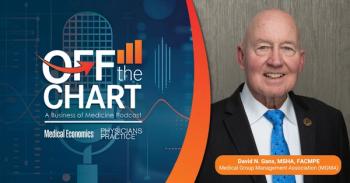
Retired MGMA senior fellow David Gans, MSHA, FACMPE, joins the show to break down the rising costs, flat reimbursement, staffing strain and tech decisions shaping medical practice performance heading into 2026.



The top news stories in medicine today. Happy Thanksgiving from Medical Economics!

The top news stories in medicine today.

AI-powered fax solutions improve referral management, enhancing efficiency and patient care while reducing administrative burdens in health care organizations.

The future of health care AI will not be defined by the power of the algorithms, but by the confidence that patients, providers, and payers place in them.

A slideshow primer based on updated guidance from CMS.
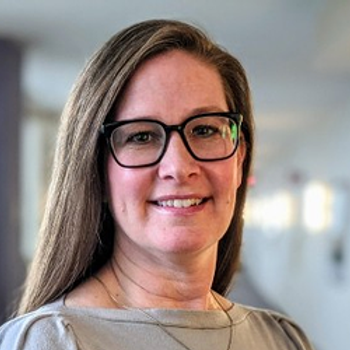
Health care organizations can implement these six key strategies to combat workplace violence, fostering safety and resilience for staff and patients alike

CHG Healthcare survey points to trust gaps, weak communication and mounting administrative strain as key drivers of low engagement.

A West Health-Gallup survey of nearly 20,000 adults finds large differences in health care affordability, access and quality across the U.S.

Does it matter what technology tools a health care employer has?

Complete our nine-question survey about your practice's technology for a chance to win one of five $20 Amazon gift cards.

CMS administrator outlines payment changes, Medicaid reforms, fraud efforts and a plan to overhaul prior authorization during his speech at the AMA Interim Meeting of the House of Delegates.
AHA seeks out health technology innovations that reach people where they live, work and play.

A panel of physicians, practice leaders and health care experts unpacks what true independence looks like in 2025 and breaks down how practices can strengthen their footing for the years ahead.
A West Health-Gallup survey of nearly 20,000 U.S. adults finds large differences in health care affordability, access and quality across the country.

Health care faces challenges in complying with information-blocking laws, impacting patient care and outcomes. Interoperability is essential for progress.

Half of practices now use at least one AI tool; documentation and fax automation deliver the largest reported time savings, with patient communication emerging as the next major target.

Offering two or more evidence-based alternatives in EHR prompts made physicians more likely to choose higher-quality care.
Advertisement
Advertisement
Trending on Medical Economics
1
Two cyber alerts in one week: What physicians need to do about PHP2Shell and the Quest Diagnostics breach
2
Florida's dengue outbreak: What physicians need to know now
3
Pay cuts, payer AI and the staff who keep leaving: What we heard at MGMA's 100th annual conference
4
Why physicians are fighting the Medicaid work rule
5