








Because early detection is key, here is what clinicians should know about advanced strategies and emerging treatments to optimize patient outcomes in bladder cancer management.
Because early detection is key, here is what clinicians should know about advanced strategies and emerging treatments to optimize patient outcomes in bladder cancer management.

No matter how or when Medicaid cuts manifest, Medicaid plan leaders must act now to preserve member support and provider payment stability.

Creative financing gets physicians out of the collections business and back into the care business.

Here’s why doctors should consider bringing cardiac monitoring in-house to improve patient care.
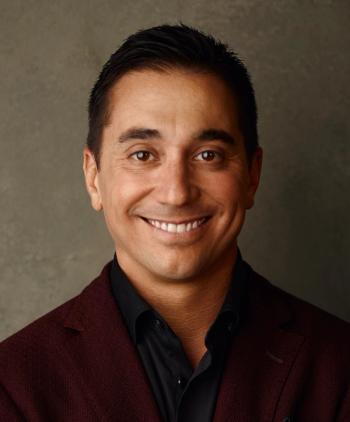
A more human way of thinking can overcome legitimate concerns that doctors have about artificial intelligence.

The CDC requests public comment on the possibility of allowing NPPs to read chest x-rays of workers at risk for pneumoconiosis.

Physicians, pharmacists and artificial intelligence can join to form a cost-effective solution that improves patient outcomes and financial sustainability.

Navigating student loan repayment as a doctor requires strategic tax planning — smart filing choices can lower payments, maximize forgiveness and enhance financial flexibility.

Automation, flexibility and temporary staff all could be used to fill gaps when medical practices need workers.
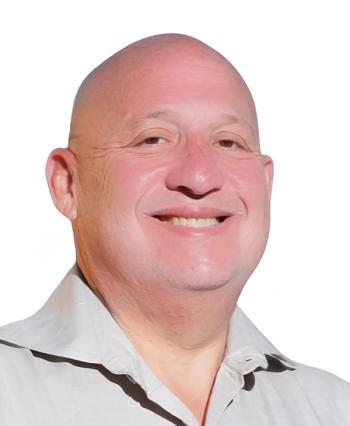
The financial life of doctors evolves quickly. Here’s why you should protect your assets — and your family — if something should happen.
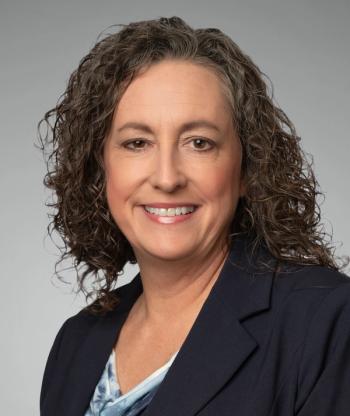
These tax-efficient strategies can help doctors make the most of the financial rewards they spent years working to achieve.

What physicians need to know about challenges for medical lab technologists in the health care work force.

How to safeguard the benefits of private practice amid unique, high-stakes challenges.

Prevention beats treatment for everyone — patients, payers and investors.

Bargaining for widely used prescription drugs may save money for Medicare, but AAR wants seniors to see better prices at the pharmacy counter.
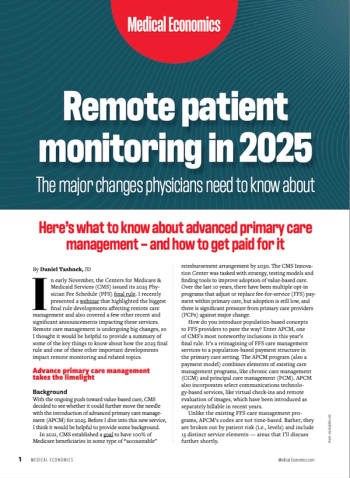
Industry analyst outlines how Medicare made a noteworthy inclusion in its 2025 rule.

A study of the medical economics of ultraprocessed foods, diabetes and pharmaceutical revenues.
New York’s licensure rules can complicate cross-state medical practice with potential widespread professional repercussions.

Doctors handle their patients with care, and they need to do the same with data.
A digital estate plan ensures your family medical practice transitions smoothly, preserving its legacy, operations, and patient care for future generations.

What to watch as software shapes the future of medicine, starting now.

How technology and policy will redefine care.

How telehealth organizations, med spas and other nontraditional providers can lead the charge on GLP-1 medications.

HHS-OIG’s recommended changes to the audit program aim to strengthen data protections.

As health care moves home, primary care physicians are stepping in to ensure care stays personal and effective.