AI can also help doctors stay up to date with the latest medical research, which is critical given the vast and ever-growing body of knowledge in medicine. By quickly summarizing and analyzing new research findings, AI can keep doctors informed of the latest advances and treatment options, ensuring they provide the best possible care to their patients.
AI for personalized medicine
The integration of AI into medical practice can lead to better patient outcomes. With the aid of AI, physicians can provide personalized treatment plans tailored to each patient's unique genetic profile, medical history, and lifestyle factors, thereby optimizing therapeutic interventions and enhancing overall clinical outcomes. Using this data, AI can help doctors predict how a patient may respond to specific treatments, identify potential side effects, and recommend the best course of action.
The potential of AI to transform preventive care lies in its ability to identify patients at high risk for certain conditions and facilitate early interventions. For example, AI-powered wearable devices can monitor vital signs and detect abnormalities, alerting both patients and doctors to potential issues before they become critical. This early detection and intervention can lead to more effective treatment and, in some cases, even save lives.
AI for automating “the boring stuff”
Lastly, AI can positively impact the physician-patient relationship by streamlining administrative tasks and freeing up time for doctors to engage more meaningfully with their patients. By automating time-consuming tasks such as documentation, billing, and appointment scheduling, AI allows physicians to focus on what truly matters: connecting with patients, understanding their concerns, and providing empathetic care.
AI-powered chatbots and virtual assistants can help address patients' questions and concerns outside of regular appointments, allowing doctors to provide continuous support and improve patient engagement. By enhancing communication and trust, AI can foster stronger physician-patient relationships, which are essential for successful treatment outcomes.
AI will help bring back the human touch
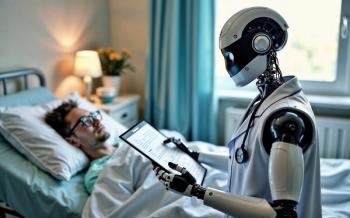
The human touch and the ability to empathize and connect with patients on a personal level remain essential components of healthcare. This may sound counterintuitive, but I believe that AI will actually help doctors get back to the more humanistic aspects of medicine. By automating the more technical and administrative aspects of medicine, doctors are now free to spend more time interacting with the patient, instead of the computer.
AI has the potential to revolutionize health care by making us better doctors, improving patient outcomes, and positively impacting the physician-patient relationship. While the adoption of AI may present challenges and require a learning curve, the benefits far outweigh the risks. As physicians, we must embrace this transformative technology and educate ourselves on its capabilities and limitations. By doing so, we can harness the power of AI to deliver exceptional care to our patients and pave the way for a brighter future in medicine.
Yair Lewis, MD, PhD, is the chief medical officer at Navina.